Tiny 2350
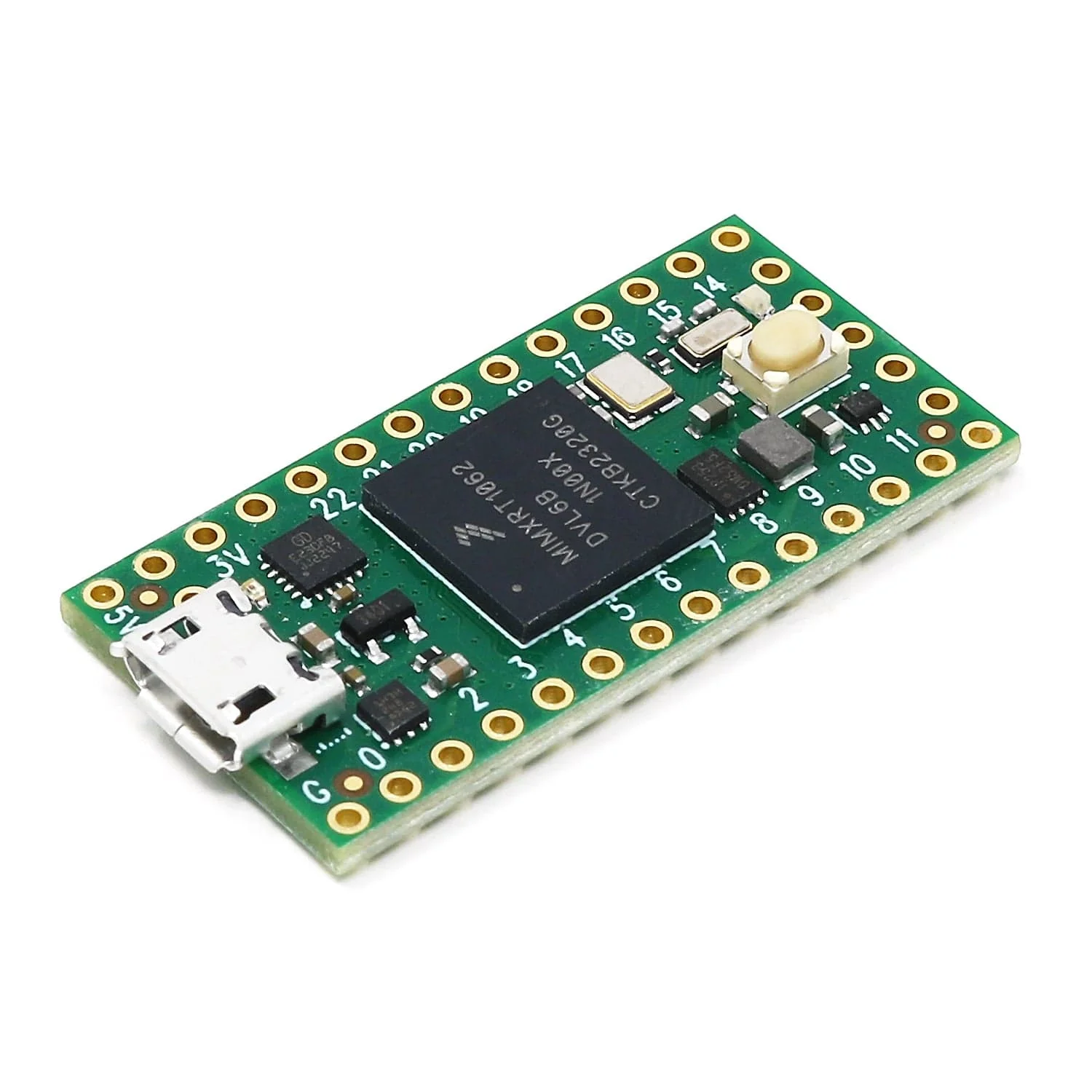
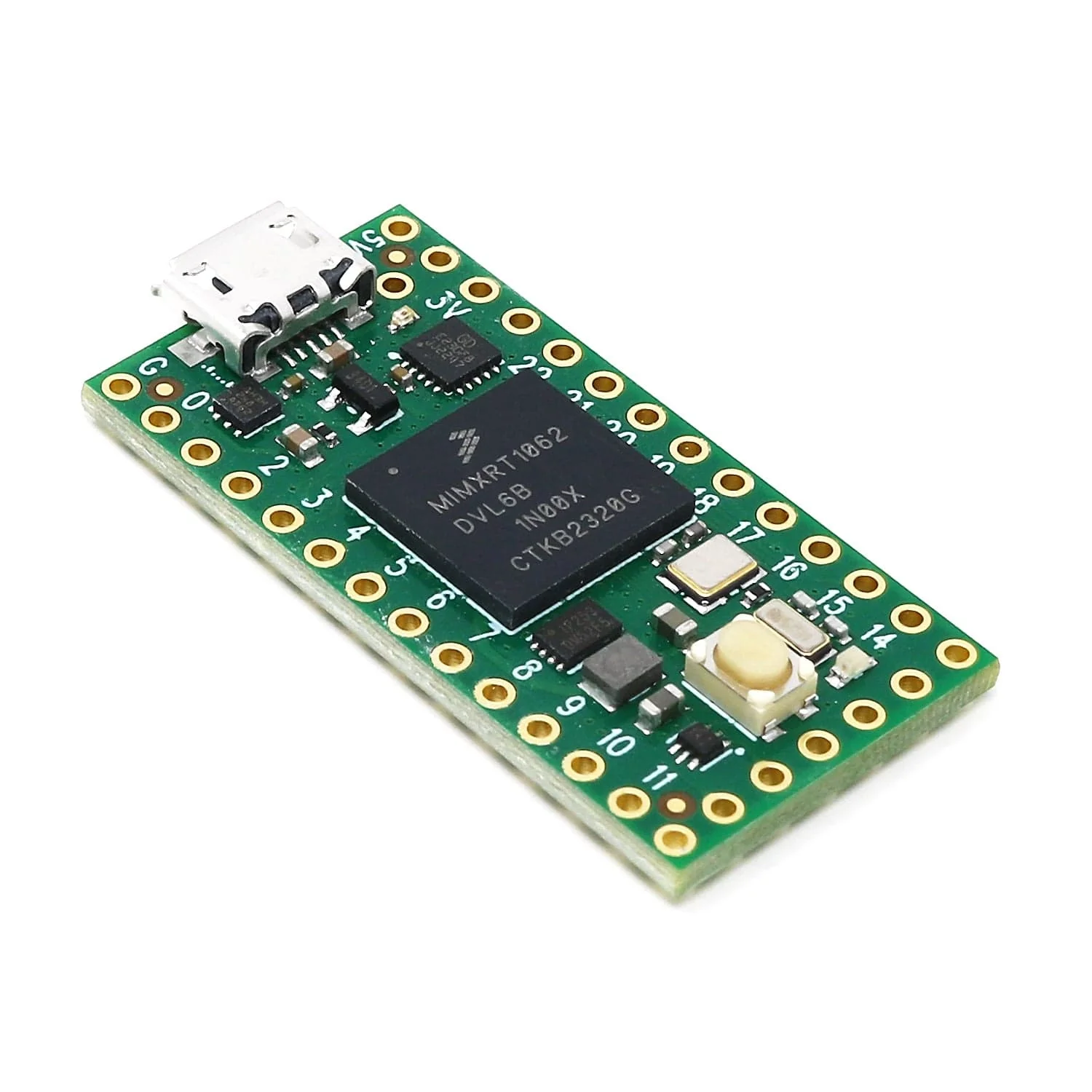
While we love the Raspberry Pi Pico we also wanted something smaller and with a bunch more flash on board. Introducing the Tiny 2350 - a teeny tiny powerhouse with the chops to realise truly ambitious projects.
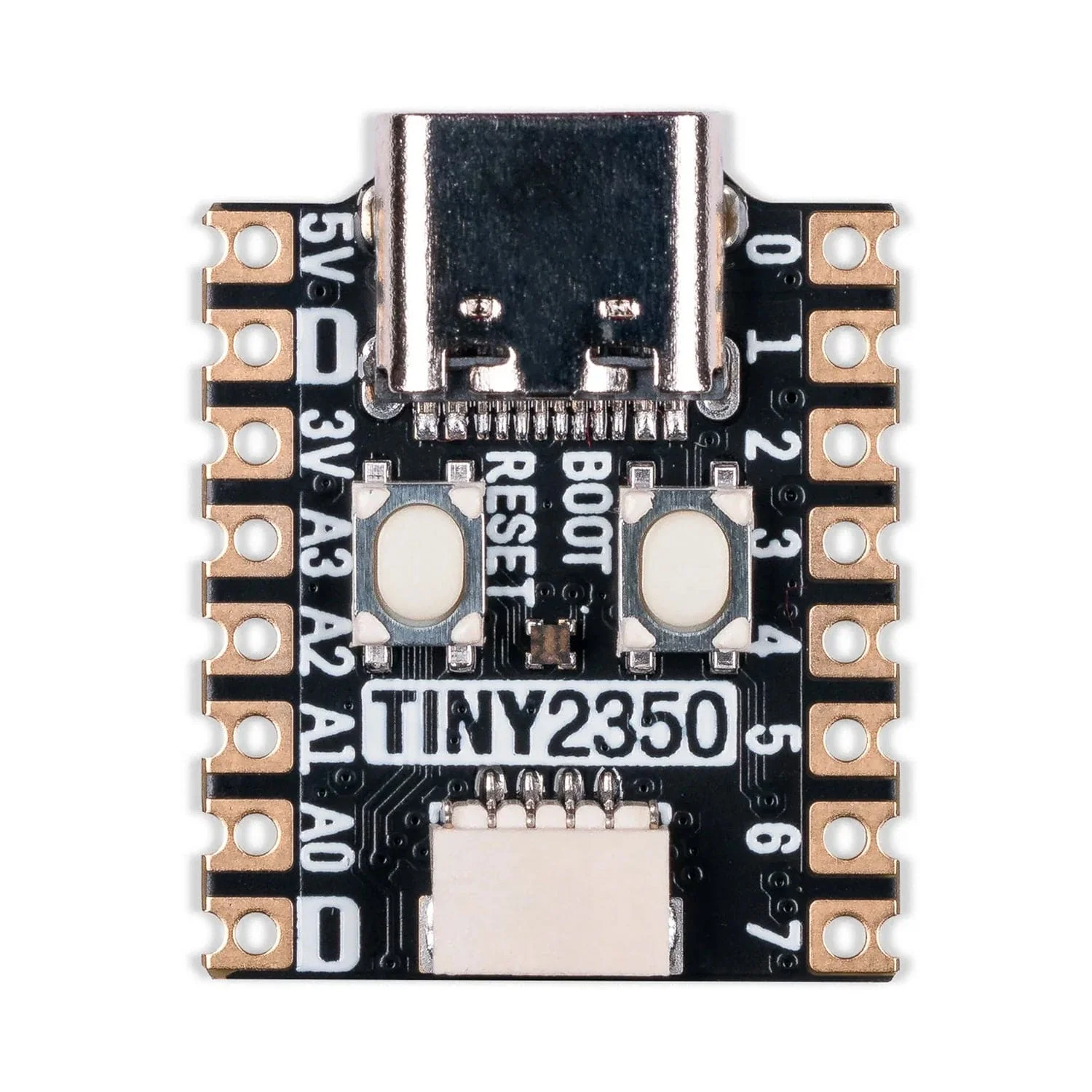
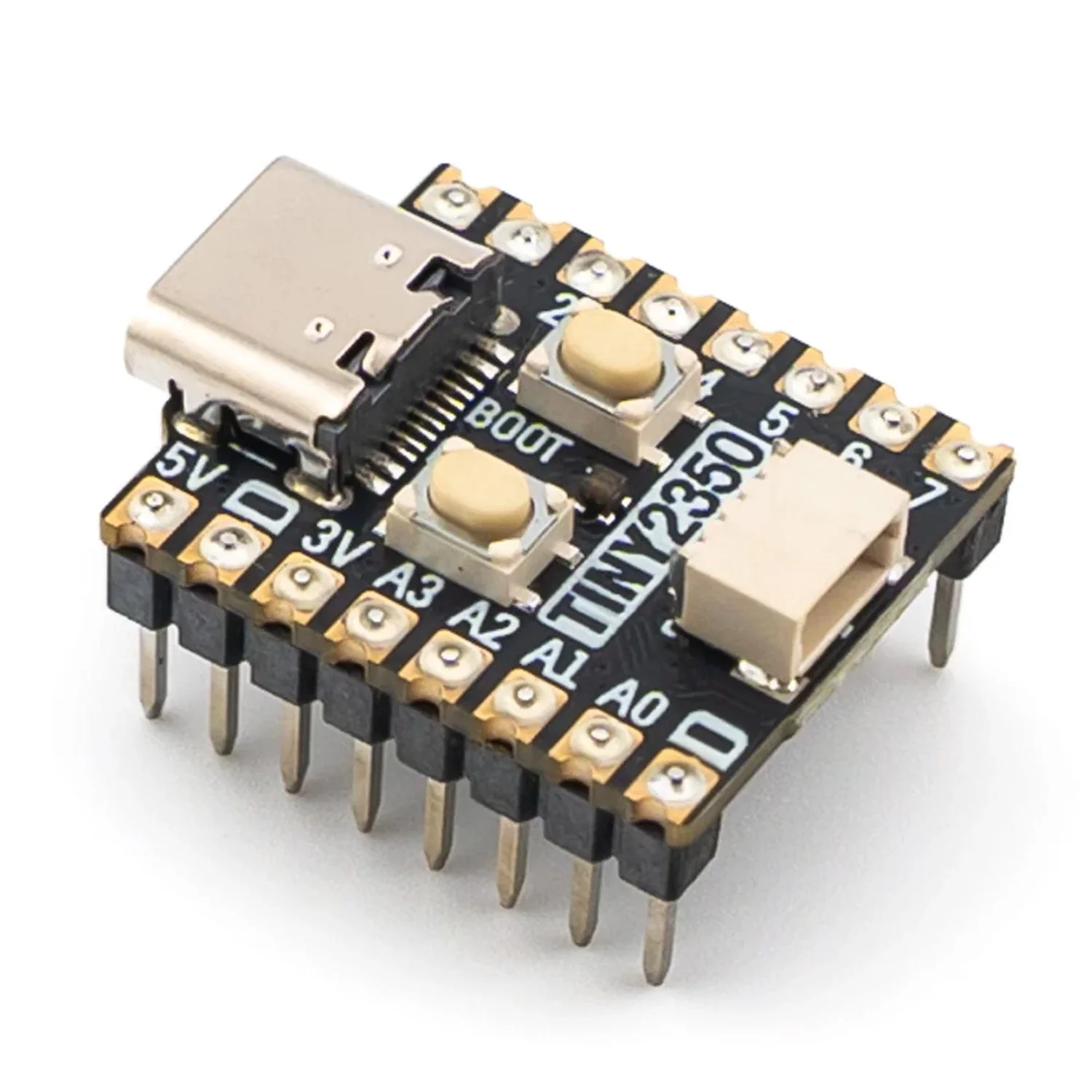
Programmable via USB-C, Tiny 2350 comes with 4MB of flash storage on board. The board is designed with castellated pads to allow it to be directly soldered onto a PCB (or you can attach pin headers to hook it up on a breadboard or connect things to it directly with wires). We've also managed to fit in a programmable RGB LED, a reset button, a Qw/ST connector for connecting up I2C devices and some clever circuitry that lets you use the boot button as a user-controllable switch.
It's compatible with firmware built for the Raspberry Pi Pico 2 but offers fewer pins due to its size. You can even run MicroPython on it!
Two variants are available - the board only, or with Pre-Soldered Headers Please select an option before adding it to your cart!
Features
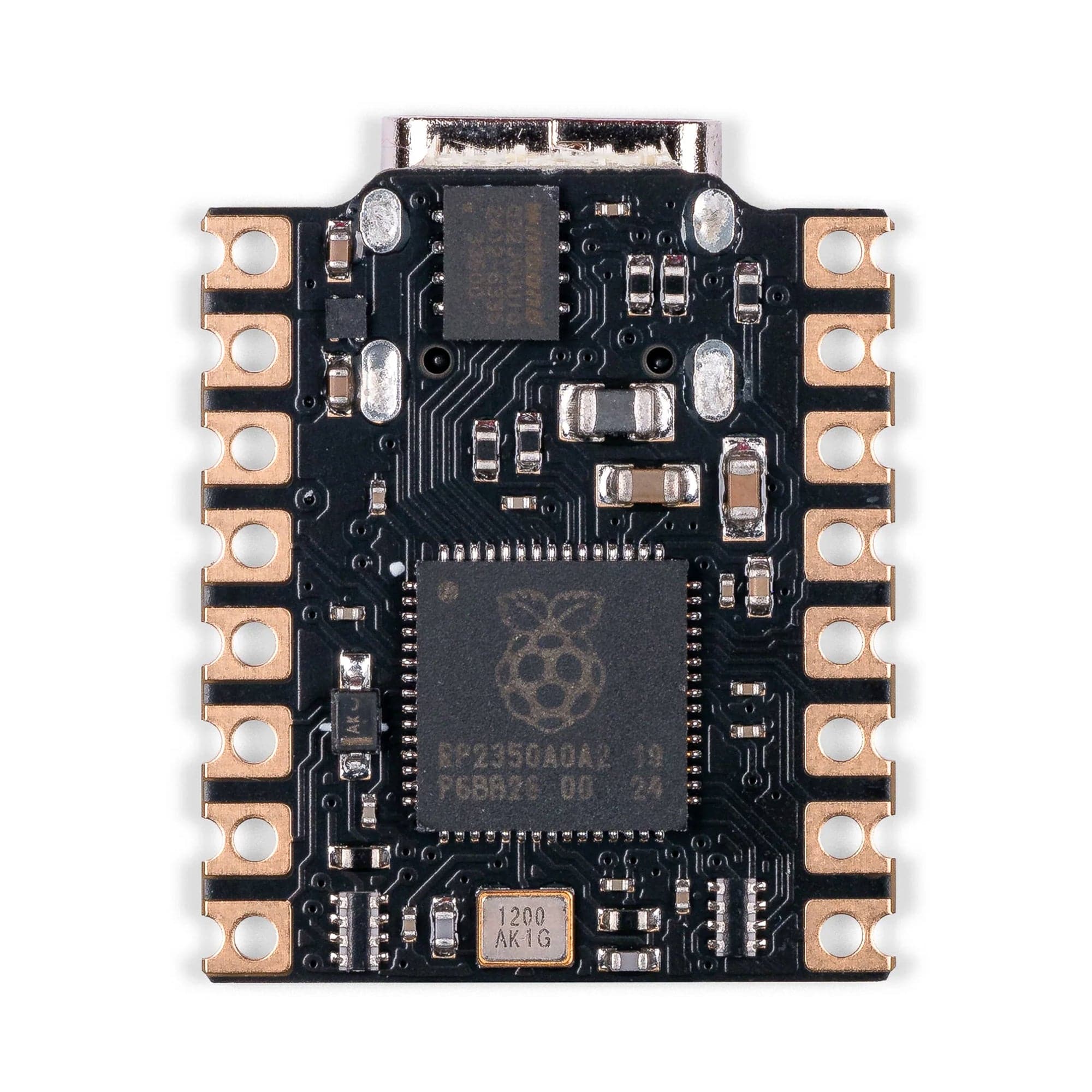
- Powered by RP2350A (Dual Arm Cortex M33 running at up to 150MHz with 520KB of SRAM)
- 4MB of QSPI flash supporting XiP
- USB-C connector for power, programming, and data transfer
- User-controllable RGB LED
- Qw/ST (Qwiic/STEMMA QT) connector for attaching breakouts
- Twelve IO pins (including four 12-bit ADC channels)
- Reset and BOOT buttons (the BOOT button can also be used as a user button)
- On-board 3V3 regulator (max regulator current output 300mA)
- Input voltage range 3V - 5.5V
- Programmable with C/C++ or MicroPython
- Dimensions: approx 22.9 x 18 x 5.8mm (L x W x H, including the USB-C port)
Resources
- RP2350 MicroPython builds and examples
- Pinout PDF Version
Pinout

Notes
- It is also useful for putting your Tiny 2350 into bootloader mode, and you can also use the BOOT button as a user switch. It's wired to GP23 and active low.
- The RGB LED is connected to GP18-GP20 and active low (so the on/off state will work in the opposite way to the LED on a Raspberry Pi Pico). You can PWM the pins to dim the LED - check out Tonygo2's MicroPython example.
Original: $10.62
-70%$10.62
$3.19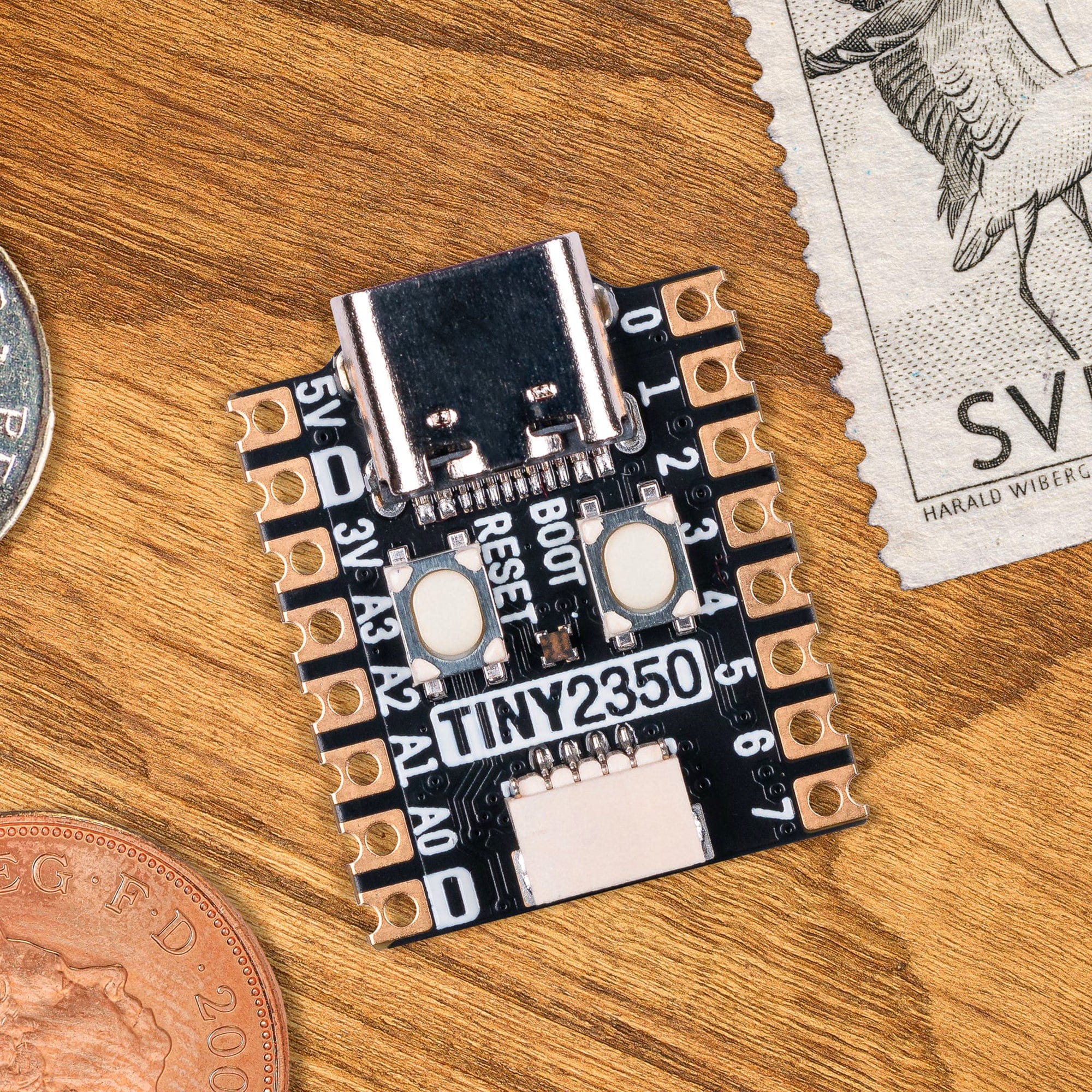
Description
While we love the Raspberry Pi Pico we also wanted something smaller and with a bunch more flash on board. Introducing the Tiny 2350 - a teeny tiny powerhouse with the chops to realise truly ambitious projects.
Programmable via USB-C, Tiny 2350 comes with 4MB of flash storage on board. The board is designed with castellated pads to allow it to be directly soldered onto a PCB (or you can attach pin headers to hook it up on a breadboard or connect things to it directly with wires). We've also managed to fit in a programmable RGB LED, a reset button, a Qw/ST connector for connecting up I2C devices and some clever circuitry that lets you use the boot button as a user-controllable switch.
It's compatible with firmware built for the Raspberry Pi Pico 2 but offers fewer pins due to its size. You can even run MicroPython on it!
Two variants are available - the board only, or with Pre-Soldered Headers Please select an option before adding it to your cart!
Features
- Powered by RP2350A (Dual Arm Cortex M33 running at up to 150MHz with 520KB of SRAM)
- 4MB of QSPI flash supporting XiP
- USB-C connector for power, programming, and data transfer
- User-controllable RGB LED
- Qw/ST (Qwiic/STEMMA QT) connector for attaching breakouts
- Twelve IO pins (including four 12-bit ADC channels)
- Reset and BOOT buttons (the BOOT button can also be used as a user button)
- On-board 3V3 regulator (max regulator current output 300mA)
- Input voltage range 3V - 5.5V
- Programmable with C/C++ or MicroPython
- Dimensions: approx 22.9 x 18 x 5.8mm (L x W x H, including the USB-C port)
Resources
- RP2350 MicroPython builds and examples
- Pinout PDF Version
Pinout
Notes
- It is also useful for putting your Tiny 2350 into bootloader mode, and you can also use the BOOT button as a user switch. It's wired to GP23 and active low.
- The RGB LED is connected to GP18-GP20 and active low (so the on/off state will work in the opposite way to the LED on a Raspberry Pi Pico). You can PWM the pins to dim the LED - check out Tonygo2's MicroPython example.